
Five Key Nutrition Strategies Used by Olympic Competitors
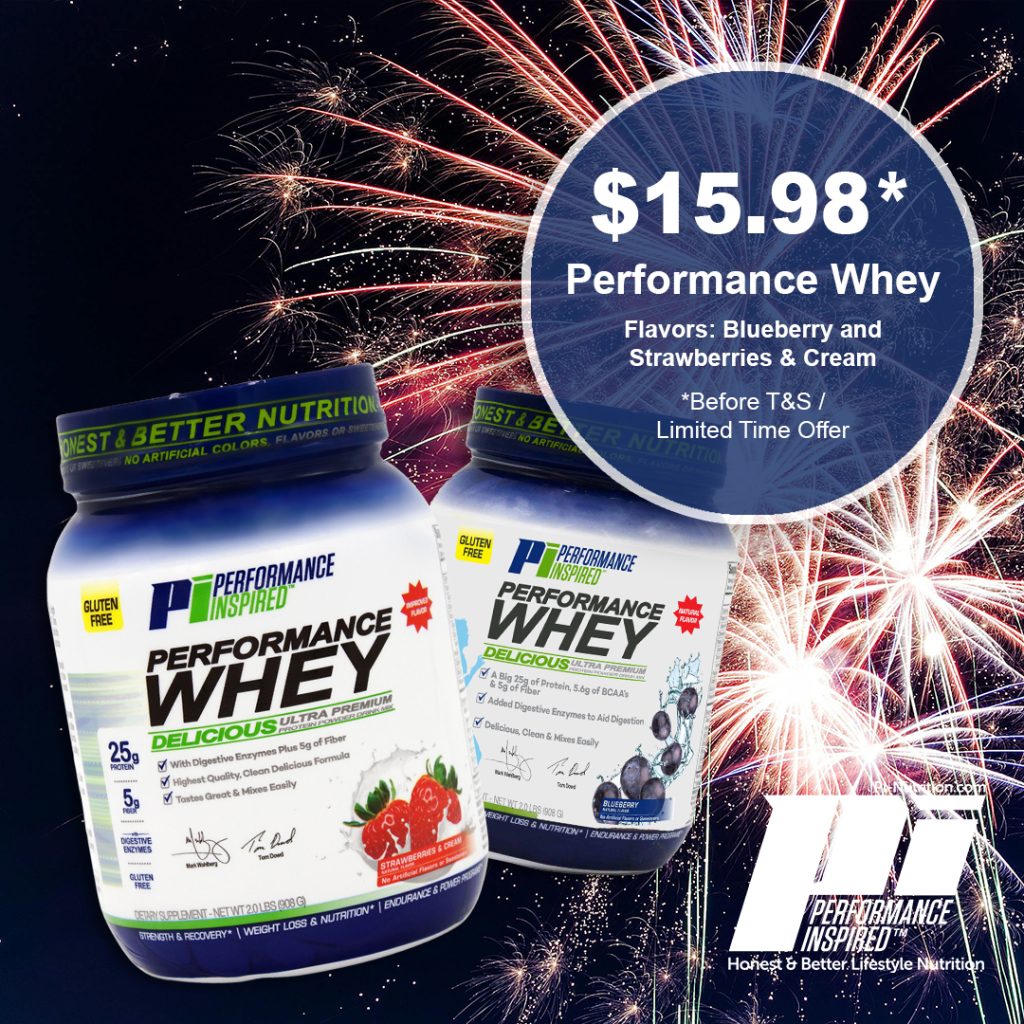
*LIMITED TIME ONLY!
Performance Whey in flavors Blueberry and Strawberries & Cream are $15.98!!! Does not include taxes or shipping.
It’s the Winter Olympics! After beginning February 6, they will run through February 22. The Olympics is a time to marvel at the prowess of elite athletes from around the world and a time to cheer on the athletes from our home countries.
I am excited to watch these men and women compete. Watching them reminds me of how well prepared—both physically and mentally—they are, as most if not all have spent many, many years training so that they could have a chance to stand atop a podium.
The Olympics also reminds me that we have a lot to learn from these athletes, even though most of us will never be at the caliber they are. But that’s okay! We don’t have to train like an Olympian. We don’t have to eat or live like an Olympian, in the sense that our every waking moment is focused on competition at an elite event. And we don’t have to dedicate our entire lives to fitness. But we do have to dedicate our lives to healthy practices, and we do have to care for our bodies because, as much as we don’t want to think about it, our bodies start to break down as we grow older. And the more that we do proactively to protect them when we are young, the better we will feel as we grow older. Nothing is a guarantee, of course, because diseases and accidents happen, but we owe it to ourselves to eat well, to exercise, and to take care of bodies as much as we possibly can.
In a document entitled Nutrition for Athletes prepared by the Nutrition Working Group of the Medical Commission of the International Olympic Committee, athletes are given a “practical guide to eating for health and performance.” The booklet explains that it’s “a reference for all those who, like the IOC Medical Commission, believe that nutrition is one of the decisive elements in high-level athletes’ preparations.”
As I read through this booklet, I realized that the advice within is not just for Olympic athletes. We can learn some very valuable lessons to implement in our own lives so that we can get the most out of the food we eat. So I want to share five nutrition tips that anyone can implement at home.
1. Pay attention to energy stores
Athletes must properly manage energy stores if they want to maintain endurance. So must we, even if it’s only to get through a gym workout or through our day-to-day life. To do this, it’s best to know and understand our bodies. How much muscle mass and body fat do we have? How strong are our bones? How do our bodies react to certain foods or to the absence of certain foods? When we understand the kind of body we have and determine the kind of body we want, we can formulate goals toward improving it and living optimally.
2. Consume adequate amounts of carbohydrates
The Cleveland Clinic defines carbs as “a type of macronutrient found in certain foods and drinks,” including “sugars, starches and fiber.” Carbs are like the fuel our bodies need to function properly. The IOC booklet explains that how much we need is “specific to the individual athlete and need to be fine-tuned with consideration of the athlete’s total energy needs, specific training needs and feedback from their training performance.” If you feel your body dragging midday, maybe it’s because you haven’t fueled it well. Try a snack that contains oats, buckwheat, whole wheat pasta or bread, sweet potatoes, blueberries, kidney beans, or oranges. These are all great ways to refuel your body!
3. Eat plenty of protein
Our bodies need protein to repair cells, to build and repair muscles, bones, and tissues, and more. According to WebMD, protein “also helps make antibodies that fight off infections and illnesses and helps keep cells healthy and create new ones.” So don’t skimp on the protein. Healthy sources include lean beef, fish, poultry, pork, eggs, and dairy products. If you are a vegetarian, try tofu, nuts, legumes, and whole grains.
4. Pay attention to vitamin intake
The IOC booklet explains that because “strenuous bouts of prolonged exercise and heavy training, particularly aerobic exercise, stress the body,” athletes need the proper intake of foods that contain vitamins A, C, E, B6, and B12 in particular. Those vitamins can be found in leafy green vegetables, in berries and citrus fruits, in bananas, and in fish. Athletes are encouraged to eat fruits and vegetables at every meal. This is great advice for everyone.
5. Water
We cannot say this often enough. Our bodies both need and crave water in order to stay hydrated and healthy. Dehydration can happen fast and can cause numerous health problems (such as headaches, tiredness, dizziness, confusion, and even loss of consciousness), especially for those who work out frequently or intensely and even for people with underlying medical conditions. Drink water throughout the day. Always keep a water bottle next to you. Because we at Performance Inspired know how important hydration is, we designed this awesome water jug that holds more than half a gallon of water so you don’t have to worry about getting up to refill it every hour.
So as you watch competitors swooshing down the slopes, rocketing down the luge track, skating magnificently on ice, and more, take some time to think about how you can improve your body’s health and functioning. Remember, you are what you eat. When you implement some of the strategies above, your body will thank you. You may not be an Olympic athlete, but that doesn’t mean you can’t feel like one!
Purchase 2 or more Performance Whey Protein – Blueberry and/or Performance Whey Protein – Strawberries and Cream and a BOGOFREE (BUY 1, GET ONE Free) discount will automatically be applied in your cart! Max Buy of 4 units.
